

Just one decade ago, Las Vegas was a laughable choice for a pro sports franchise.
‘Las Vegas is a Terrible Place for an NHL Team’ squawked Nate Silver in a 2016 header, which sat atop a think piece where Silver estimated a pitiful 91,000 fans in metro Las Vegas.
Richard Peddle, who ran the company that owns the Maple Leafs for a period of time until 2011, called it a “bad mistake” and claimed that NHL owners would grow to regret the decision. “It’s not a great community economically,” Peddle said on a Canadian radio show in 2016. “Fan avidity will not develop.”
The claims that a city like Las Vegas had no attachment to hockey were undoubtedly true, but early haters missed a grassroots effort by the organization to create a long-lasting relationship.
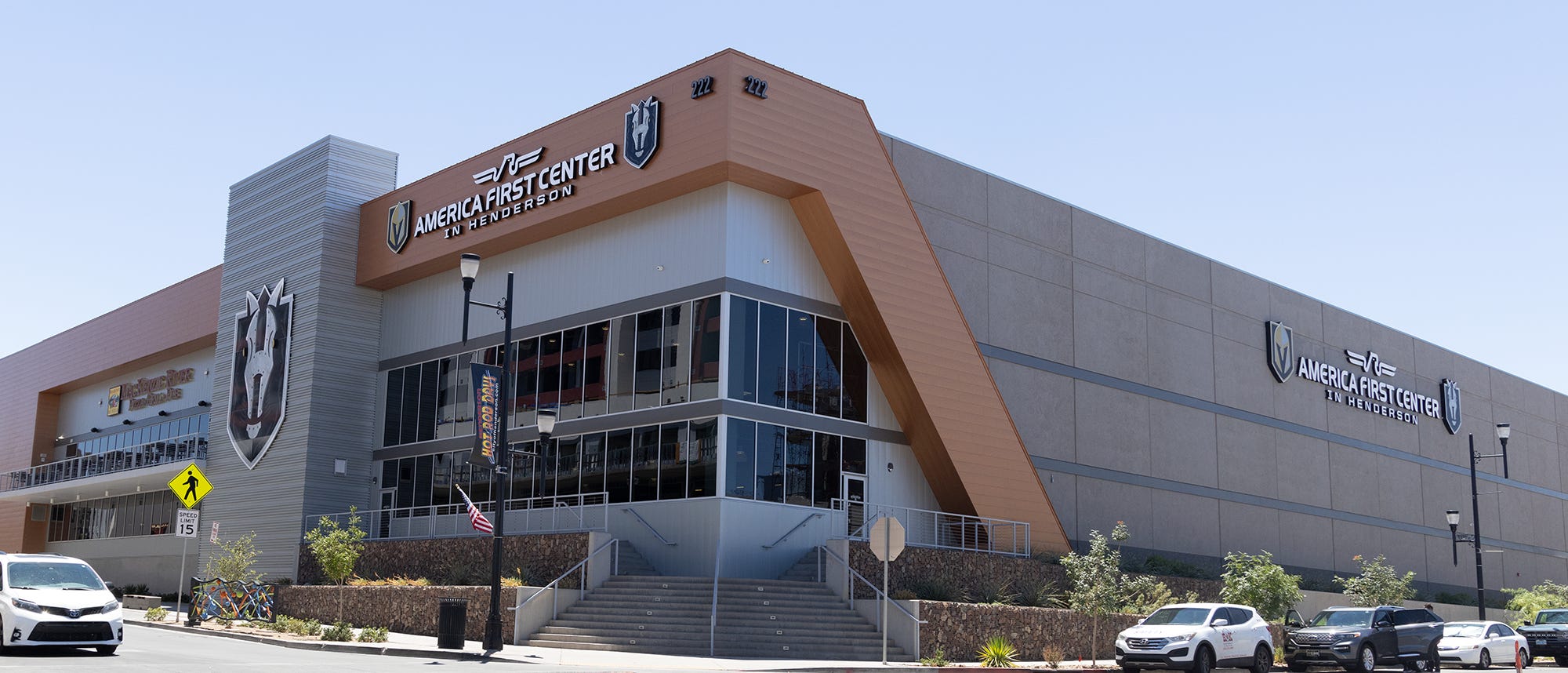
America First Center is a large part of a reinvigorated Downtown Henderson. (Photo courtesy America First Center)
To start, the Golden Knights broke ground on a new practice facility in Summerlin in 2016, laying down two NHL-sized ice rinks that can also be used for local youth hockey leagues. Meanwhile, the team partnered with the City of Henderson to build Lifeguard Arena/America First Center, a two-story facility that opened in 2020 with two more ice rinks.
The Knights also partnered with existing travel hockey programs, and rebranded them with improved resources under the Vegas Jr. Golden Knights banner. Early tryout sessions drew hundreds of kids and the program has since expanded to cover age groups up to high school. The massive increase in available ice time for local youth programs has been a major source of their growth, and the many Learn to Skate/Learn to Play programs have created brand-new hockey players.
Most of this happened, or started to happen, before the Golden Knights even took the ice for their inaugural season. The grassroots push would eventually pair with eight winning seasons, three Finals appearances, and one Stanley Cup win to create a legitimate source of fan excitement. However, the sustained effort throughout the rest of the community means the team doesn’t have to rely on tourism to fill seats throughout the winter.
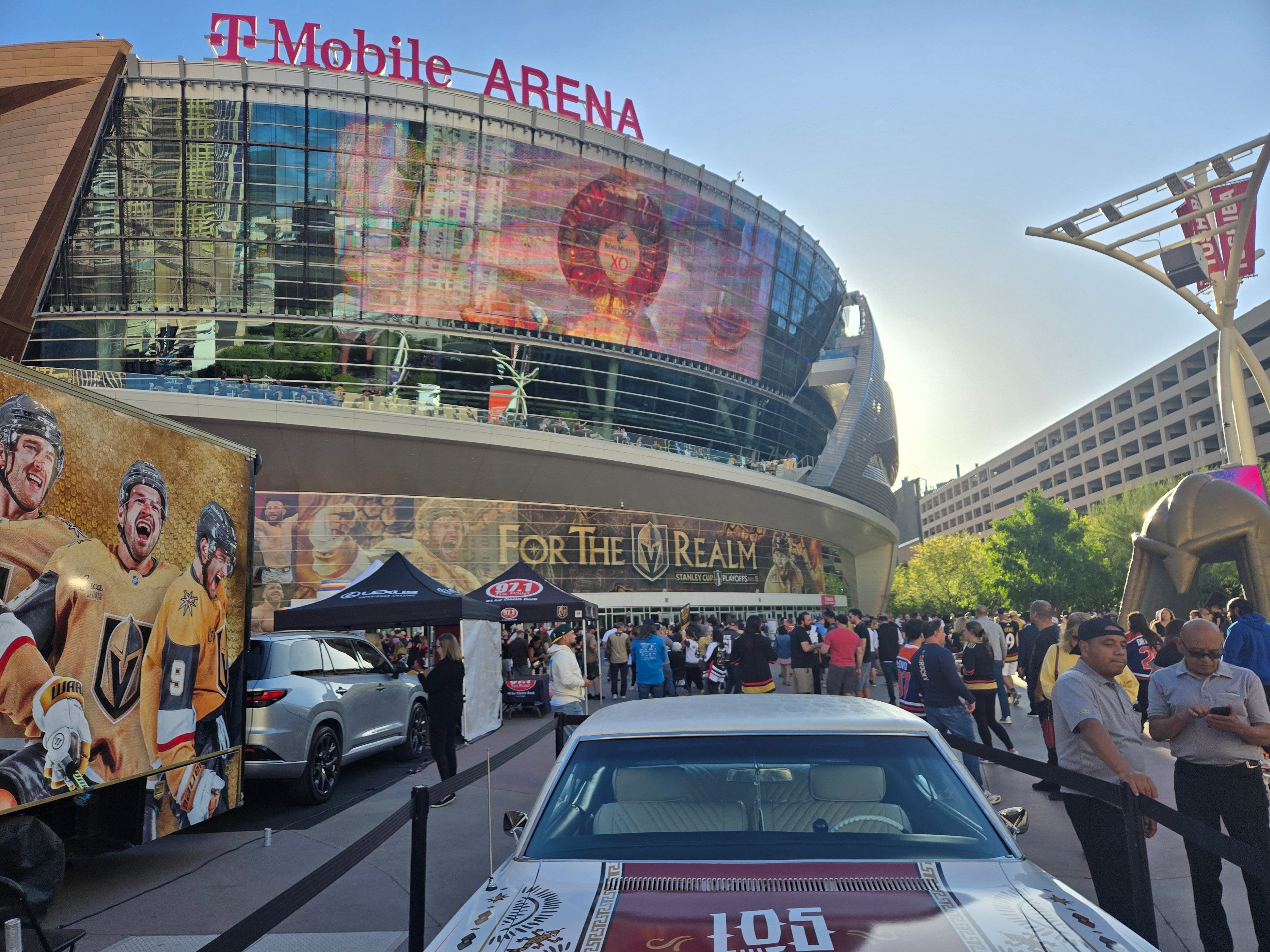
T-Mobile Arena would need privately funded renovations to accommodate an NBA team.
Everybody wants in
In the 10 years since the Golden Knights took the ice at T-Mobile Arena for the first time, the city has secured a $2 billion football stadium and a team to go with it. The Raiders, who moved to Vegas in 2020, also have a practice facility in Henderson, Nevada, which sits right next to the one that owner Mark Davis built for his other pro team, the Las Vegas Aces.
The public kicked in about $750 million of that initial price tag, backed by hotel room taxes. Another $75 million will come out of a Waterfall Residual fund of surplus hotel tax revenue to add a party patio on the stadium’s north side. The Raiders will pick up a little more than half of that price tag, and it should be ready to go by 2029.
By comparison, the Knights play at no-frills T-Mobile Arena, a privately funded project built by MGM and AEG, two giant entertainment companies, with a small stake from owner Bill Foley. The project cost around $375 million, and they expect another $300 million in renovation costs at some time in the future. It’s amazing what an arena costs when they pay their own money.
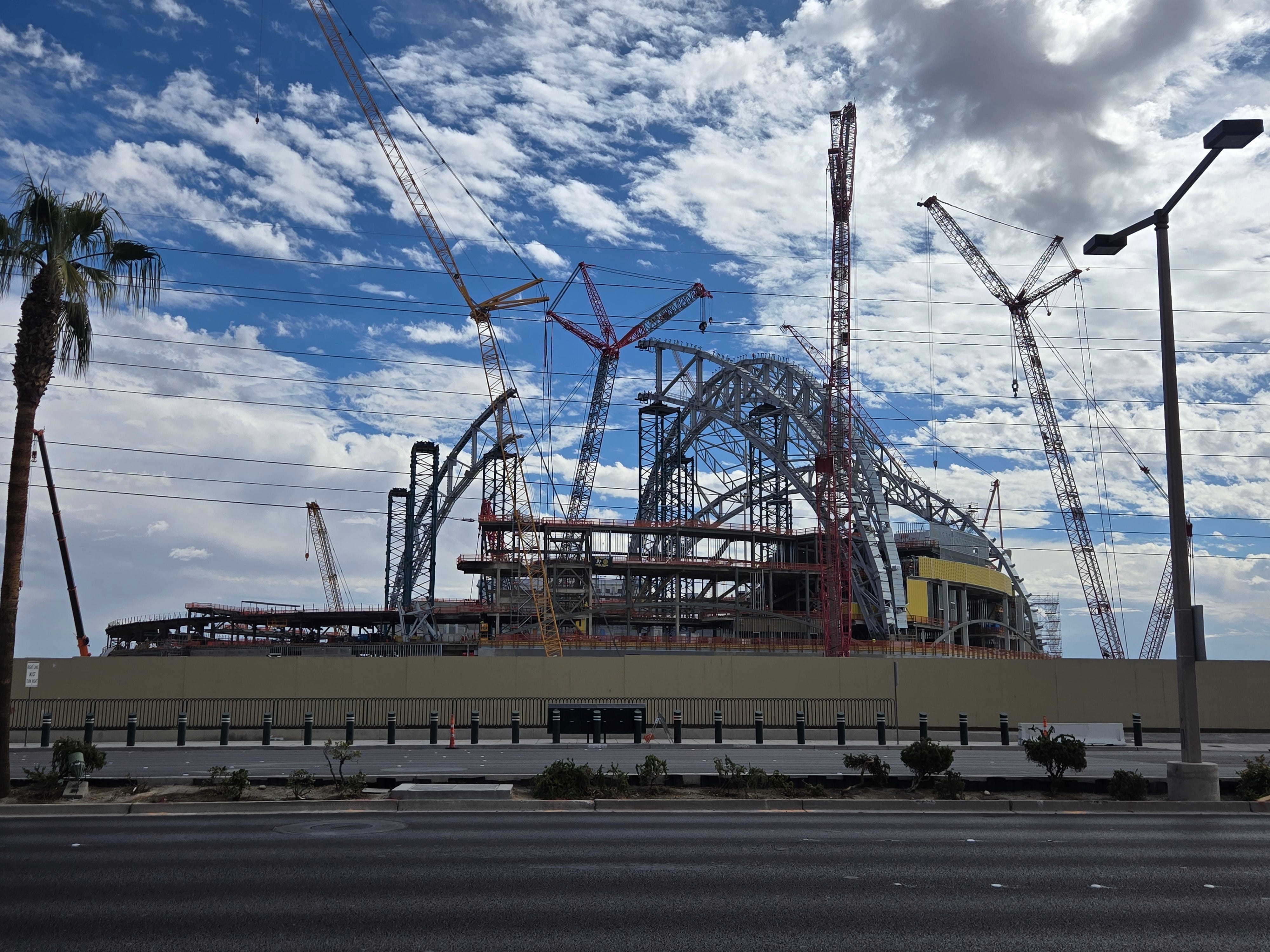
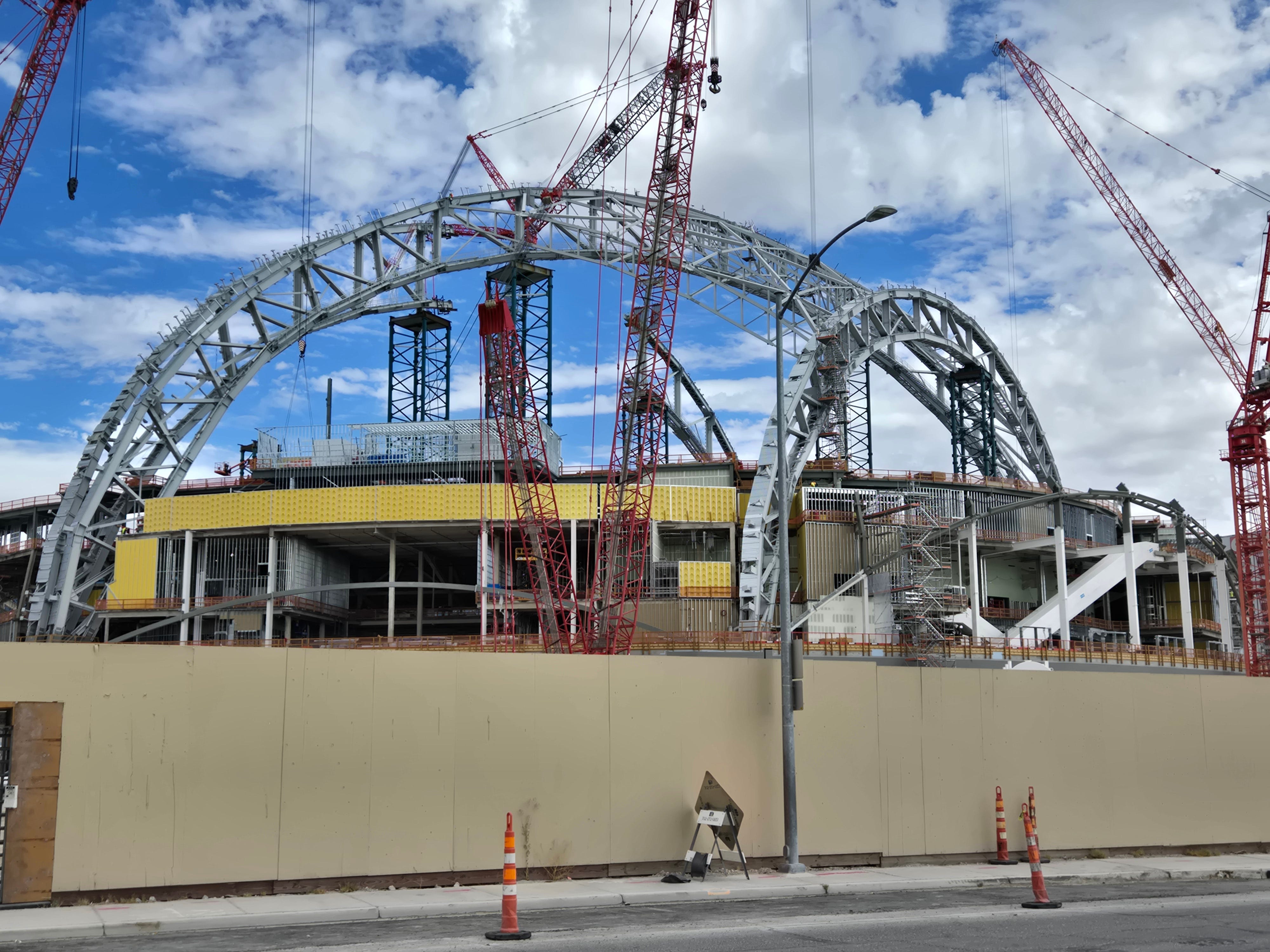
Steel trusses that make up the roof portion of the new stadium are coming together. (Sept 21, 2026)
Now, with the Raiders settled in, it’s time for the MLB to make a home on the Las Vegas Strip. If you haven’t heard by now, it will be the Oakland Athletics, by way of Sacramento, and they’ll arrive in 2028.
Like the Raiders, the Athletics are a team that already had a home somewhere else, but it didn’t work out, so they’re coming to Las Vegas.
Brute force
It has been a confusing path for the Athletics, and there were doubts along the way, but the team looks to officially land at the corner of Tropicana and Las Vegas Boulevard in the spring of 2028.
The rest of the story is still to be written. John Fisher, owner of the Athletics, is moving the team after several failed attempts to build a new stadium in Oakland. The Las Vegas version will cost around $2 billion, and he has agreed to fund more than half of it. Another $300 million will come from construction loans, and the remaining $380 million will come from us, the tax payers, through bonds approved by the state legislature.
Construction is well under way on the stadium, but there are still a lot of questions. Bally’s, the casino partner who was supposed to build right next door, is now broke and all but out of the picture. Fisher now has to build parking lots and a utility plant himself, which could add $100 million to his personal expenses on the project. Fisher seems to be throwing down the tracks while a very expensive train barrels toward him, but this is Las Vegas, and you can get a lot done with will power alone.
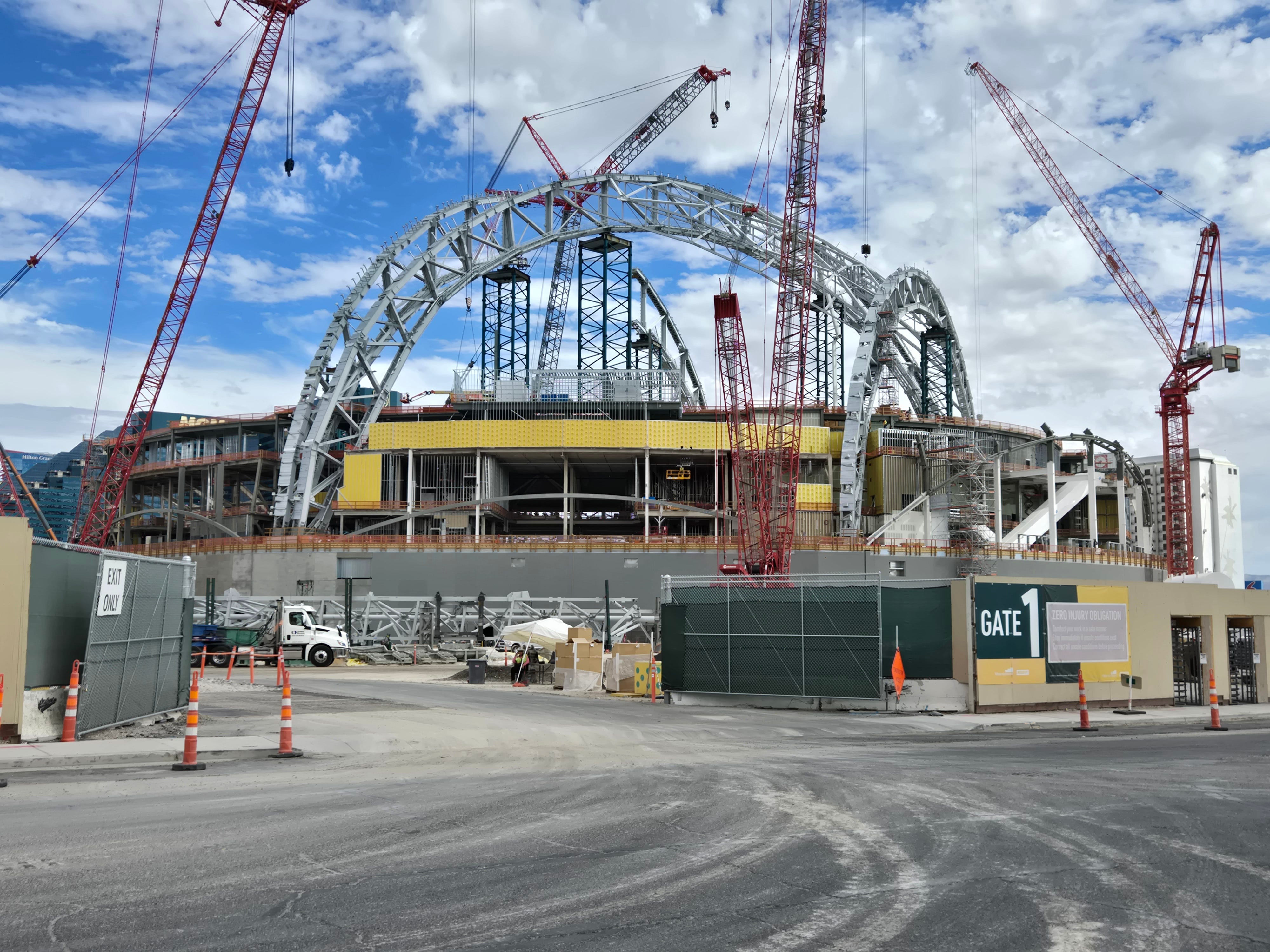
Stadium construction from the south entrance on Sept. 21, 2026
But moving a baseball team to Las Vegas with such brute force masks the real problem: who is going to root for them?
There’s no traveling contingency of Athletics fans like the Raiders might have, and most of the baseball fans who live here have moved from somewhere else. We brought our baseball teams with us, and the Athletics aren’t exactly a tempting counter-offer. The Athletics have to compete for allegiance with the Padres, Dodgers, Mets, Yankees, and the entire Midwest in a transient town like Las Vegas.
With little-to-no community effort to speak of otherwise, what is the plan? Is this just a standard strip residency, but baseball? Can that work? Will away fans fly in every week to see three games of their favorite team on the Las Vegas Strip? I think they will, but will there ever be a home team?
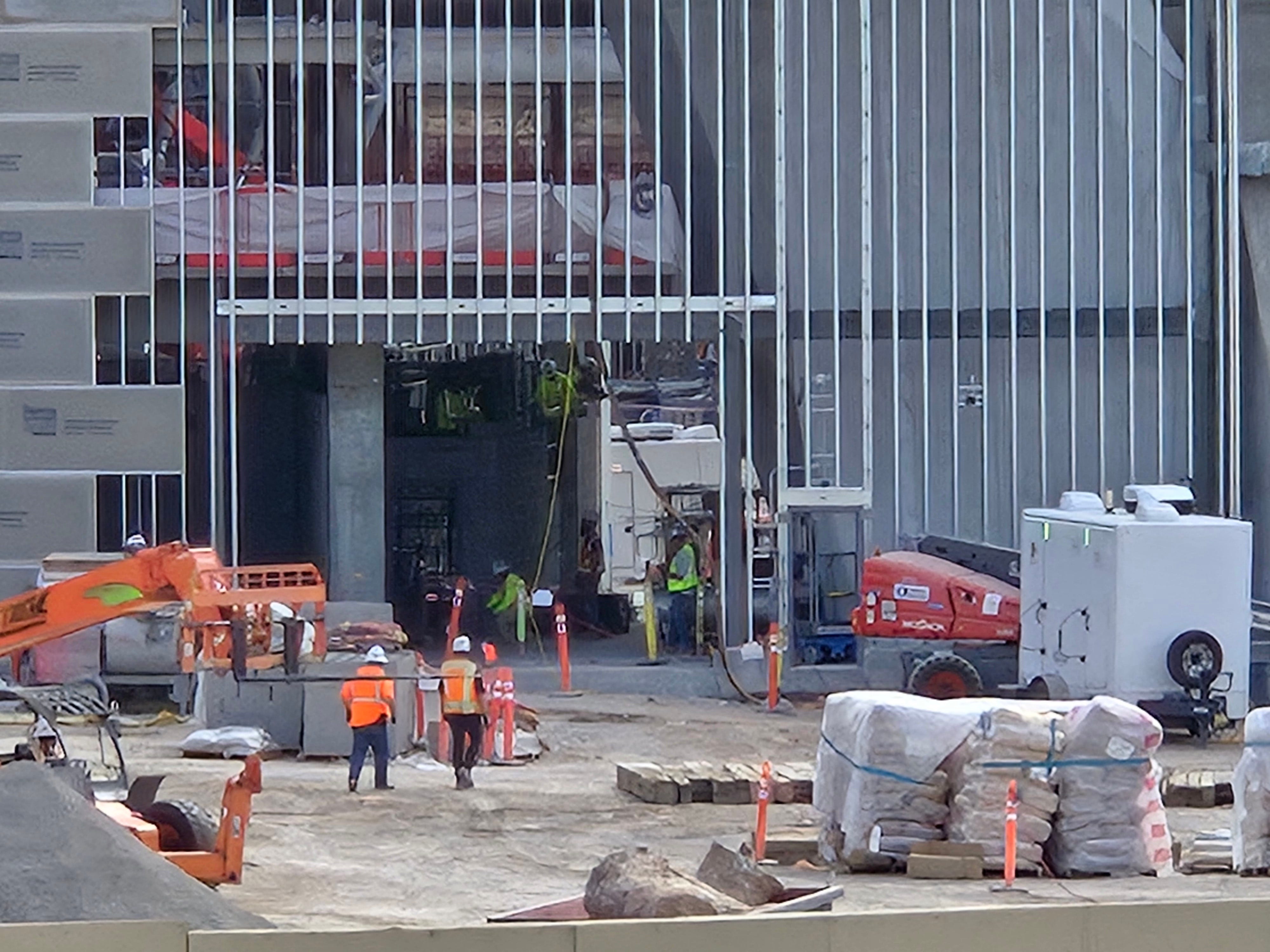
Workers near what may be a home plate entrance at the new A’s stadium. (Sept. 21, 2026)
The final piece
With the NHL, and NFL accounted for, and the MLB on their way, that just leaves the NBA.
Bids for the Las Vegas franchise were due on Sept. 17, the second such deadline for interested parties. Adam Silver, the leagues commissioner, says they will figure out if they intend to expand by the end of this year, with Las Vegas and Seattle at the very top of the list.
Seattle is ready to go, with an arena already built, but the Las Vegas team will need a place to play. Where that is will depend largely upon who wins the bid to develop the team.
Knights owner Foley is one of the reported bidders, but he would need to renovate T-Mobile Arena to accommodate an NBA team. It’s a possibility that Foley and his team have planned since day one.
Other possibilities include the vacant lots behind Horseshoe/Paris, as well as the festival grounds that run parallel to what will become the Athletics ballpark. The latter offers the possibility of a large stadium district, one with direct access to a private airport terminal.
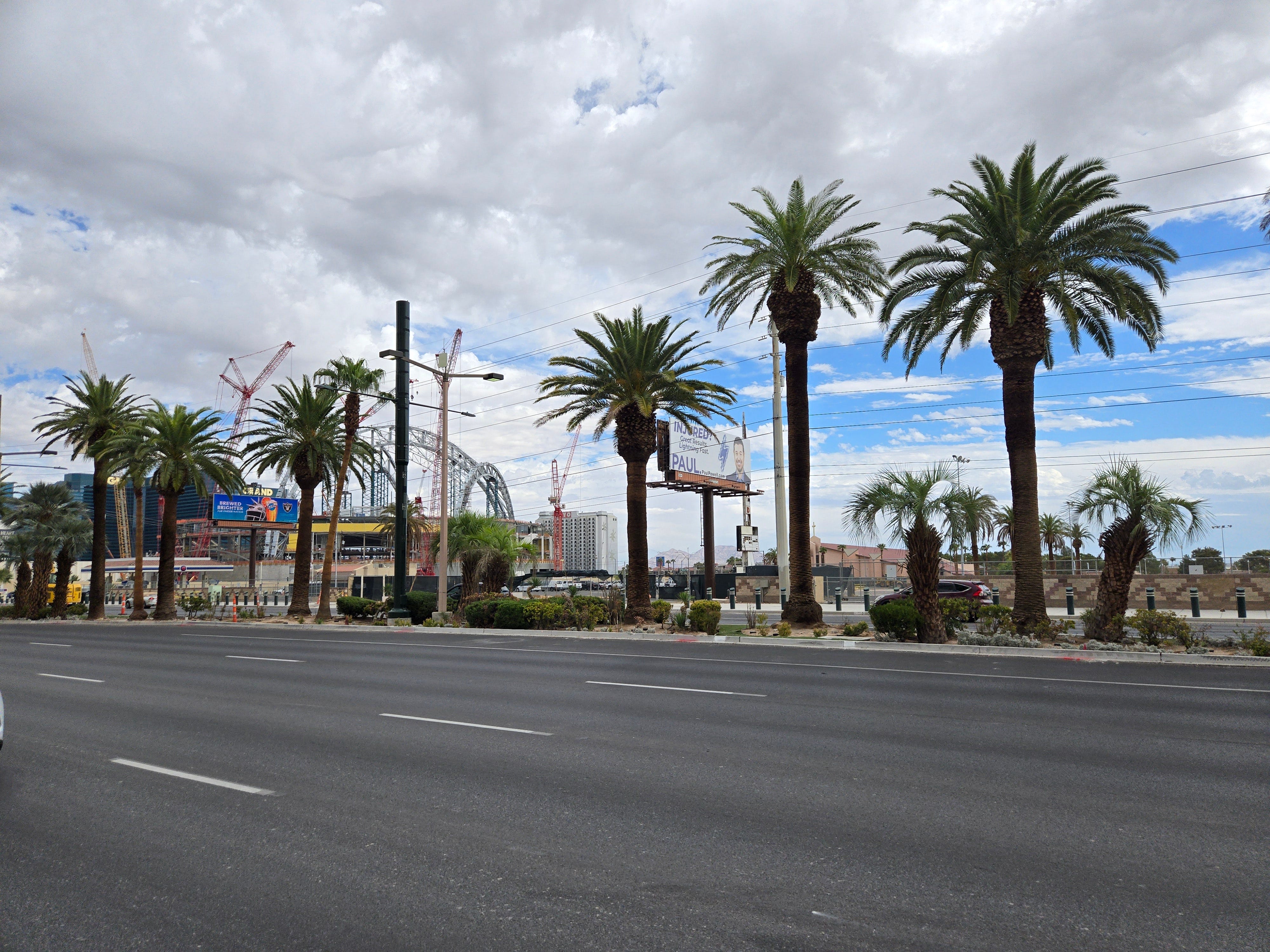
A ‘Strip Stadium District’ could make use of a private airport terminal.
Either way, it’s likely to be an NBA expansion team, and not an owner trying to get out of another town. That offers the opportunity to learn from recent history, and build from the ground up.
Community investment can start now, with an eye toward building an organization that represents Las Vegas and provides it with hundreds of jobs, all while sustaining a crowd for more than 40 games. Building from the ground up is a much cleaner path to being a hometown team than what we’ve seen so far from John Fisher and the Athletics.